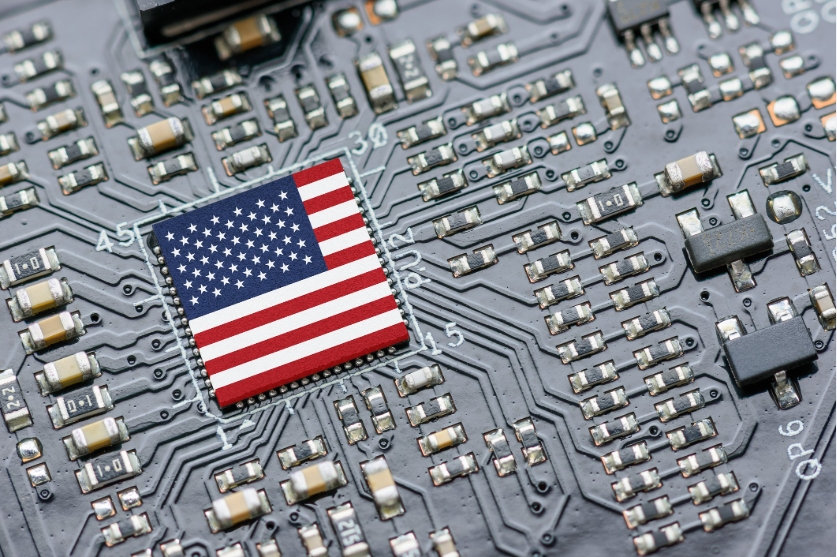
Electronics Tariff Survival Guide 2025
Executive Summary: As new global tariffs reshape electronics trade, buyers and suppliers must act strategically. This guide decodes recent policy shifts, assesses their impact, and outlines mitigation tactics across sourcing, risk management, and supplier negotiations.
1. Recent Tariff Updates
| Policy Shift | Detail |
|---|---|
| US-China Tariff Reduction | Dropped from 145% to 30% for 90 days (from mid-May 2025) |
| De Minimis Rule Suspension | Imports under $800 from China subject to tariffs (Effective May 2, 2025) |
| Temporary Product Exemptions (April 13) | Smartphones, laptops, ICs, storage devices exempted (except fentanyl-related goods) |
| Blanket Tariff | 10% on all foreign goods (April 5, 2025) |
| Canada/Mexico Tariff | 25% on most goods; 10% on Canadian energy; USMCA goods exempt |
| Reciprocal Tariff Pause | 90-day pause; may affect countries like Thailand and Malaysia |
2. Price Impact Estimates (Source: CTA)
| Product Category | Expected Price Increase |
| Laptop Computers | +45.0% |
| Monitors | +31.2% |
| Smartphones | +25.8% |
| Lithium-ion Batteries | +12.1% |
| Computer Accessories | +10.9% |
| Connected Devices | +10.2% |
| Televisions | +9.0% |
| Desktop Computers | +6.2% |
3. Risk Assessment Summary
| Sector | Risk Before | Risk After | Comments |
| Semiconductors | High | High | Global delays, lead time extensions, reduced profits |
| Wire & Cable | Medium | High | Tariff-driven supply chain overhauls |
| Glass/Screens | Low | Medium | Diminished demand, component shortages |
| Telecom Carriers | Medium | High | Indirect exposure from Canadian/Mexican sourcing |
| Auto Manufacturers | High | High | Major impact, billion-dollar cost risks, layoffs |
| Info Service Providers | Low | Medium | Higher device costs, squeezed margins |
| Colleges & Universities | Low | Low | Budget reductions for equipment |
4. Strategic Responses for Buyers
- Diversify Suppliers: Shift from China, Canada, and Mexico to Vietnam, South Korea, Thailand, or Malaysia (watch pending tariff policy).
- Open-Source Hardware: Enables local customization and assembly to avoid final product tariffs.
- Multi-Function Devices: Consolidate needs to reduce volume of taxed items.
- Use AI & Inventory Software: Optimize stock to avoid overbuying or shortages.
- Redesign Products: Reduce reliance on high-tariff components.
- Form Strategic Partnerships: Secure supply priority in non-tariff regions.
5. Procurement Tactics
- Price Adjustment Clauses: Add contractual flexibility for tariff-induced cost changes.
- Liquidating Agreements: Mitigate liability from cost increases.
- Long-Term Contracts: Lock-in stable pricing and secure supply continuity.
6. Supplier Negotiation Checklist
- What’s the tariff impact on your BOM?
- Are you reallocating production or sourcing? If so, where?
- What inventory strategies are in place for tariff delays?
- How will lead times be affected?
- Can you offer local alternatives?
- How are pricing and currency fluctuations handled?
- Do you have similar mitigation examples from other clients?
- Can you guarantee compliance and quality under new supply routes?
Conclusion: Proactive electronics buyers in 2025 will win by embracing flexibility, expanding supplier networks, and building contracts resilient to trade shocks. Use this guide as a playbook to navigate uncertainty—and stay competitive in a changing global market.

At ICNets, we specialize in sourcing new, original electronic components with speed and precision. Our mission is to help you cut your sourcing time by up to 80%, so you can focus on what matters most—delivering quality and staying competitive.
Connect with us:
🌐 Website: www.icnets.com
📧 Email: info@icnets.com
